
Water Damage vs. Mold Damage
After sustaining Water Damage to your home or business, the decisions you make immediately following the event will have meaningful effects on your life for the next 6 to 24 months. Therefore, it is critical for you to make the right decisions to avoid a second disaster once the excitement settles down.
Call us now at 212-295-5835 or click/tap the button to schedule a FREE Claim Review & Strategy Session with a Public Adjuster to get started.


Water Damage vs. Mold Damage
What Property Owners Need to Know About Coverage, Cause, and Claims
Water is one of the most destructive forces inside a home or business, but it rarely travels alone. Wherever water goes, mold is never far behind. And while the two are deeply connected, insurance companies treat water damage and mold damage as two very different events — with very different coverage outcomes.
Understanding the distinction isn’t just helpful; it’s essential. The difference between water and mold can determine whether a claim is paid, partially covered, or denied entirely. It can also shape how restoration unfolds, how adjusters interpret timelines, and how property owners protect themselves from secondary losses.
This blog breaks down the relationship between water and mold, how each develops, and how insurers evaluate them during a claim.
Water Damage: Sudden, Accidental, and Often Covered
Water damage typically begins with a single moment — a burst pipe, a failed supply line, a leaking water heater, a malfunctioning appliance. These events are sudden, accidental, and easily identifiable. Insurance companies generally view water damage as a covered peril when it happens abruptly and without warning.
When water enters a property, it immediately begins affecting building materials. Drywall absorbs moisture like a sponge. Insulation becomes saturated. Flooring warps. Electrical systems are compromised. The damage is visible, measurable, and urgent.
Because water damage spreads quickly, insurers expect property owners to act quickly. The first 24 hours are critical: stopping the source, protecting property, and beginning mitigation. When policyholders respond promptly, water damage is usually straightforward to document and restore — and coverage is typically granted.
But water damage has a shadow. If moisture isn’t addressed immediately, it evolves into something far more complicated.
Mold Damage: Slow, Silent, and Often Excluded
Mold is not sudden. Mold is a timeline.
It grows when moisture lingers, when water sits unnoticed, or when damp materials are left untreated. Mold thrives in darkness, behind walls, under flooring, inside cabinets, and in any area where humidity remains above safe levels. It doesn’t need standing water — only moisture.
Insurance companies view mold very differently from water. Mold is almost always categorized as secondary damage, meaning it results from a failure to mitigate or from long‑term moisture exposure. Because of this, most standard insurance policies exclude mold unless it is directly caused by a covered water loss and addressed immediately.
If mold appears days or weeks after a water event, adjusters often interpret it as evidence of delayed reporting or insufficient mitigation. If mold appears without a clear water source, insurers may classify it as a maintenance issue. And if mold appears in areas with chronic moisture — such as bathrooms, basements, or around HVAC systems — it is almost always excluded.
Mold is not just a biological issue; it’s a coverage issue. And insurers treat it with caution.
Where Water and Mold Collide in Claims
The relationship between water and mold is where most disputes arise. A policyholder may see mold as part of the same event — “the pipe burst, then mold grew.” But insurers see mold as a separate stage, one that reveals how long the water was present and how quickly the policyholder responded.
If the water loss was reported promptly, and mold developed despite reasonable mitigation, carriers may cover mold remediation as part of the claim. But if mold indicates long‑term seepage, slow leaks, or delayed action, coverage becomes far more complicated.
This is where Reservation of Rights letters often appear. Mold raises questions about timelines. It suggests the water may not have been sudden. It hints at possible neglect. And because mold remediation is expensive, carriers scrutinize it closely.
The presence of mold can turn a simple water claim into a contested one — unless the property owner has strong documentation showing when the water loss occurred, how quickly they acted, and what steps they took to prevent secondary damage.
Why Mold Is Treated Differently Than Water
Water damage is an event. Mold is a condition.
Water damage is caused by a specific failure. Mold is caused by time.
Water damage is sudden. Mold is gradual.
Insurance policies are built around these distinctions. Insurance policies are designed to cover unexpected events, not ongoing issues. Mold, by its nature, is ongoing. It grows slowly, spreads quietly, and reveals moisture problems that may have existed long before the property owner noticed them.
This is why mold coverage often requires special endorsements. Without them, mold remediation is typically limited or excluded entirely.
The Three Families of Mold Found in Homes
Although thousands of mold species exist, most household mold falls into three broad families: allergenic, pathogenic, and toxigenic. These categories describe how mold interacts with the human body and how serious the exposure can become.
Allergenic Mold: The Most Common Household Intruder
Allergenic molds are the ones most people recognize — the musty smell in a damp basement, the dark spots on bathroom grout, the fuzzy patches on a forgotten windowsill. These molds trigger allergic reactions rather than severe illness. People with asthma, allergies, or compromised immune systems tend to react more strongly, experiencing symptoms like sneezing, coughing, watery eyes, or skin irritation.
Species like Cladosporium and Alternaria fall into this category. They thrive in areas with intermittent moisture: bathrooms, kitchens, laundry rooms, and around windows. While allergenic mold is not typically dangerous, it is a sign that moisture has been present long enough to support growth — something insurance adjusters pay close attention to when evaluating timelines.
Pathogenic Mold: A Risk for Vulnerable Individuals
Pathogenic molds are more serious. They can cause infections in people with weakened immune systems, chronic respiratory conditions, or underlying health issues. These molds don’t just trigger allergies; they can colonize the lungs or sinuses in susceptible individuals.
One of the most well‑known pathogenic molds is Aspergillus. It’s extremely common indoors and outdoors, but certain species can cause respiratory infections, especially in people with compromised immunity. When pathogenic mold is discovered in a property, environmental hygienists often recommend professional remediation and air quality testing to ensure the environment is safe.
Insurance carriers treat pathogenic mold as a sign of prolonged moisture exposure. Because these molds require time to develop, their presence often leads adjusters to question whether the water loss was reported promptly or whether the moisture was long‑term — a distinction that can influence coverage.
Toxigenic Mold: The Most Misunderstood and Most Feared
Toxigenic molds produce mycotoxins — chemical compounds that can be harmful when inhaled, ingested, or touched. The most infamous example is Stachybotrys chartarum, often referred to as “black mold.” Despite the dramatic reputation, Stachybotrys doesn’t appear overnight. It requires constant moisture, cellulose‑rich materials, and time. When it shows up, it’s a clear indicator of chronic water intrusion.
Exposure to toxigenic mold can cause more severe symptoms: headaches, fatigue, respiratory irritation, neurological complaints, and in rare cases, more serious complications. While sensationalized stories often exaggerate the danger, toxigenic mold is not something to ignore. It signals a deeper moisture problem and requires professional remediation.
Insurance companies approach toxigenic mold cautiously. Because it takes time to grow, its presence often suggests long‑term leakage, neglected maintenance, or delayed reporting — all common reasons for claim denials. However, if toxigenic mold results directly from a covered water loss and the property owner acted promptly, carriers may include mold remediation within the scope of coverage.
Why Mold Type Matters During a Claim
To a property owner, mold is mold. To an insurance carrier, mold is a timeline. The type of mold present helps adjusters understand how long moisture has been in the property, whether the loss was sudden or gradual, and whether the policyholder took reasonable steps to mitigate damage.
Allergenic mold suggests intermittent moisture. Pathogenic mold suggests prolonged exposure. Toxigenic mold suggests chronic saturation. These distinctions influence coverage decisions, remediation requirements, and the overall cost of the claim.
Environmental hygienists often perform mold testing during disputed claims because identifying the species can clarify whether the moisture was recent or long‑term. This information becomes part of the claim file and can support or challenge the policyholder’s timeline.
The Health Impact: Why Mold Should Never Be Ignored
Regardless of the species, mold is a sign that moisture has been present long enough to support growth. Even allergenic mold can cause discomfort, respiratory irritation, and long‑term indoor air quality issues. Pathogenic and toxigenic molds carry more serious risks, especially for vulnerable individuals.
The health impact varies from person to person. Some people experience mild symptoms, while others develop significant reactions. Children, the elderly, and those with asthma or compromised immunity are more susceptible. Mold is not just a structural issue; it’s an environmental one.
The Bottom Line: Mold Is a Moisture Problem First
Mold doesn’t appear without moisture. It is always a symptom of a deeper issue — a leak, a spill, a failed appliance, a plumbing defect, or humidity that has gone unchecked. The type of mold that grows tells the story of how long that moisture has been present.
For property owners, understanding mold types helps clarify the health risks and the urgency of remediation. For insurance carriers, mold types help determine coverage. For restoration professionals, mold types guide the scope of work.
Mold is not just a stain on a wall. It’s a timeline, a warning, and a reminder that moisture must be addressed immediately to protect both the property and the people using it.
The Policyholder’s Advantage: Understanding the Timeline
The most important thing a policyholder can do is understand the timeline. Water damage begins the moment water enters the property. Mold begins the moment water is left untreated.
When property owners act quickly — shutting off the source, documenting the damage, calling the carrier, and beginning mitigation — they protect both their property and their claim. When they delay, mold becomes the evidence insurers use to question coverage.
Water damage and mold damage are connected, but they are not the same. One is often covered. The other often isn’t. Knowing the difference helps policyholders navigate claims with confidence, communicate clearly with adjusters, and avoid the pitfalls that lead to denials.
Need Help With A Water Damage Claim?
Call us now at 212-295-5835 or click/tap the button to schedule a FREE Claim Review & Strategy Session with a Public Adjuster to get started.
Examples of Water Damage Claims We've Settled
With our team approach, we have achieved results for our clients that other Public Adjusters could only dream of.

SoHo, New York
Offer – $116K
Settlement – $757K
Co-op Unit
Pipe Break

Midtown, New York
Initial Offer – Denied
Final Settlement – $225K
Condo Unit
Pipe Break
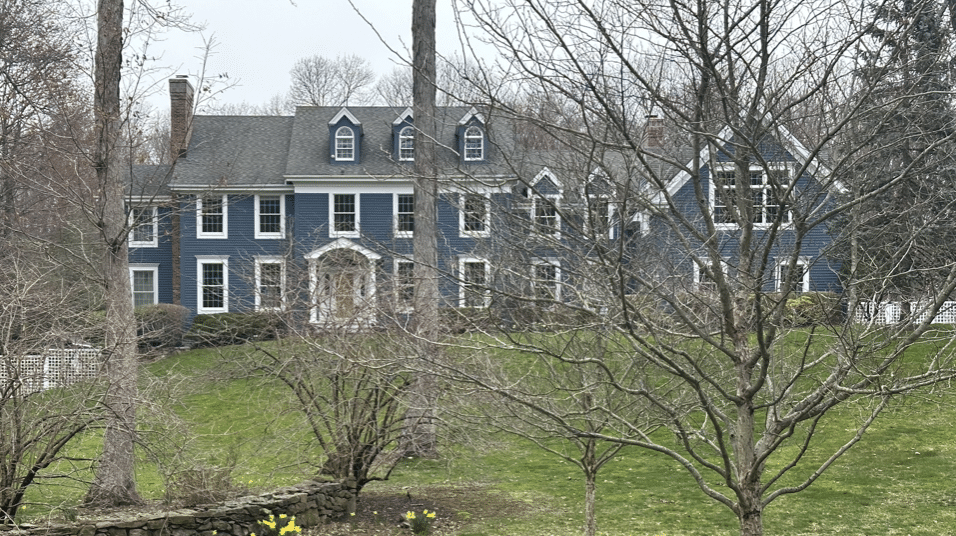
Pound Ridge, New York
Initial Offer – Denial Likely
Final Settlement – $1.6M
Private House
Freeze
What Our Clients Are Saying
“They know the ins and outs of what an insurance company owes to their insured and that knowledge was able to help us secure far more coverage than we would have been able to ourselves, which far exceeded the investment in working with them. Manhattan Public Adjusters should be your first call after any loss. TEN STARS!!”
-Hillary Sloan
Brooklyn, New York
“I worked with Jennifer K on a very complicated matter–significant water damage throughout an entire historic townhouse–that I came into midway through the process. It was like finding a port in the storm when I took over the work to meet Jennifer… I truly don’t know how I could have gotten all of this done without her, and as difficult as this work was, it was always a pleasure to speak with her. I recommend Jennifer and Manhattan Public Adjustment very very highly.”
-Terence Dougherty
Gramercy Park, New York, NY
“When the unthinkable happened and the hot water baseboard heat malfunctioned flooding our home of 33 years, our insurance company was anything but helpful. My husband and I were a thousand miles away, where he was undergoing chemotherapy and too ill to return to our flooded home. Jennifer was very helpful, assisting us, answering our questions, and most importantly challenging the insurance company.”
-Ginny Nuffer
Olean, NY
Learn more about Water Damage Claims
A Guide to Plumbing Systems
A Guide to Plumbing Systems: Understanding the Water Sources in Your Property — and How They Fail After sustaining Water Damage to your home or
A Guide to the First 24 Hours After a Water Damage Loss
A Guide to the First 24-hours After a Water Damage Loss. After sustaining Water Damage or Flood Damage to your home or business, the decisions
A Guide to Water Backup vs. Water Overflow vs. Flood
A Guide to Water Backup vs. Water Overflow vs. Flood After sustaining Water Damage to your home or business, the decisions you make immediately following
A Guide to Water Damage Claims in Condo and Co‑Op Buildings
A Guide to Water Damage Claims in Condo and Co‑Op Buildings After sustaining Water Damage to your condo or co-op, the decisions you make immediately
Water Damage vs. Mold Damage
Water Damage vs. Mold Damage After sustaining Water Damage to your home or business, the decisions you make immediately following the event will have meaningful
3 Categories of Water Damage
3 Categories of Water Damage After sustaining Water Damage to your home or business, the decisions you make immediately following the event will have meaningful
Get Your Free Claim Review & Strategy Session With A Licensed Public Adjuster Now
On the roughly 45-minute call, we’ll review your damages, coverages, and claim goals, and create a personalized strategy to help you get paid the maximum settlement, expedite your recovery, and navigate the claims process successfully.
Click the button or call 212-540-4150 to schedule a FREE Claim Review & Strategy Session with a Public Adjuster now.