
A Guide to Water Backup vs. Water Overflow vs. Flood
After sustaining Water Damage to your home or business, the decisions you make immediately following the event will have meaningful effects on your life for the next 6 to 24 months. Therefore, it is critical for you to make the right decisions to avoid a second disaster once the excitement settles down.
Call us now at 212-295-5835 or click/tap the button to schedule a FREE Claim Review & Strategy Session with a Public Adjuster to get started.


A Guide to Water Backup vs. Water Overflow vs. Flood
Understanding the Water Terms That Shape Your Insurance Claim
Water moves through a property in more ways than most people realize. It flows through supply lines, drains, sewer systems, appliances, and the ground beneath the foundation. When something goes wrong, the result is often the same — water where it doesn’t belong — but the cause is what determines whether the damage is covered. In insurance, three words carry enormous weight: backup, overflow, and flood. They sound interchangeable, but they are not. Each one describes a different type of water event, and each one triggers a different response from your insurance carrier.
Understanding the difference isn’t just helpful; it’s essential. These terms can determine whether a claim is approved, partially covered, or denied outright. They influence how adjusters classify the loss, how restoration unfolds, and how homeowners and businesses protect themselves from future events.
What Insurance Means When It Says “Backup”
A backup is one of the most misunderstood water events in a structure. In everyday language, people use “backup” to describe any water that comes up from a drain. But in insurance, backup has a very specific meaning: water that reverses direction and comes up through a plumbing system that is supposed to carry water away from the property.
This usually involves the sewer line or a drain line. When a sewer line becomes clogged, blocked by tree roots, overwhelmed by heavy usage, or obstructed by debris, wastewater can push back into the property. It may appear in a basement drain, a shower, a toilet, or a utility sink. The water is contaminated, unpleasant, and dangerous — and because it originates from the sewer system, it is almost always classified as Category 3 water.
Most property insurance policies do not automatically cover sewer backup. Coverage typically requires a specific endorsement. Without it, the loss is often excluded, even if the damage is severe. Backup is one of the most common reasons policyholders discover too late that their policy doesn’t cover the event they assumed it would.
What Insurance Means When It Says “Overflow”
Overflow is a very different concept. Overflow occurs when water escapes from a fixture or appliance because it cannot exit through its intended path. The key distinction is that the water is still moving in the correct direction — it simply exceeds the capacity of the fixture.
A toilet that overflows because of a clog is an overflow. A sink that spills over because the faucet was left running is an overflow. A bathtub that spills onto the floor because the drain is slow is an overflow. Even a washing machine that overflows due to a malfunction is considered an overflow.
Unlike backup, overflow often involves clean or gray water, not sewage. And unlike backup, overflow is typically covered under a standard insurance policy, provided the cause is sudden and accidental. Overflow becomes complicated only when negligence is involved — for example, a sink left running for hours — or when the water has been sitting long enough to cause mold or secondary damage.
Overflow is messy, disruptive, and damaging, but in the eyes of insurance, it is usually a more straightforward claim than backup.
What Insurance Means When It Says “Flood”
Flood is the most heavily regulated and most misunderstood water term in insurance. Many property owners use “flood” to describe any significant water event, but in insurance, flood has a strict definition: water that enters a structure from outside, affecting at least two adjacent properties or two or more acres of land.
Floodwater comes from rising rivers, storm surge, heavy rainfall, overflowing lakes, melting snow, or groundwater that rises above the foundation. It does not come from plumbing systems, appliances, or drains. Floodwater is considered Category 3 water because it carries soil, bacteria, and contaminants.
Standard insurance policies do not cover flood. Coverage requires a separate flood insurance policy through the National Flood Insurance Program (NFIP) or a private carrier. Without flood insurance, water entering from outside — even during a storm — is excluded.
This is where many property owners are caught off guard. A basement filled with water after heavy rain is not covered under a standard policy unless the water originated from a covered source inside the structure. If the water came from outside, it is classified as flood, and the claim is denied.
Why These Distinctions Matter So Much
Backup, overflow, and flood may look similar when you’re standing ankle‑deep in water, but to an insurance carrier, they are entirely different events. Backup suggests a failure in the sewer system. Overflow suggests a failure or blockage in a fixture. Flood suggests water entering from outside. Each one carries its own rules, exclusions, endorsements, and coverage limitations.
These distinctions also shape how adjusters investigate the loss. Backup raises questions about maintenance and sewer conditions. Overflow raises questions about negligence or sudden failure. Flood raises questions about weather conditions and external water sources. The terminology becomes the foundation of the claim.
For policyholders, understanding these terms helps prevent surprises. It clarifies what your policy covers, what it doesn’t, and what endorsements you may need. It also helps you communicate clearly with adjusters, document the loss accurately, and avoid misunderstandings that lead to denials.
The Bottom Line: Water Is Water, But Insurance Sees Three Different Events
Backup, overflow, and flood are not interchangeable. They are three distinct water events with three distinct coverage outcomes. Knowing the difference empowers property owners to protect their property, strengthen their claims, and ensure they have the right coverage before a loss occurs.
Water may move fast, but insurance moves carefully. Understanding the language of water damage is one of the most powerful tools a property owner can have.
Need Help With A Water Damage Claim?
Call us now at 212-295-5835 or click/tap the button to schedule a FREE Claim Review & Strategy Session with a Public Adjuster to get started.
Examples of Water Damage Claims We've Settled
With our team approach, we have achieved results for our clients that other Public Adjusters could only dream of.

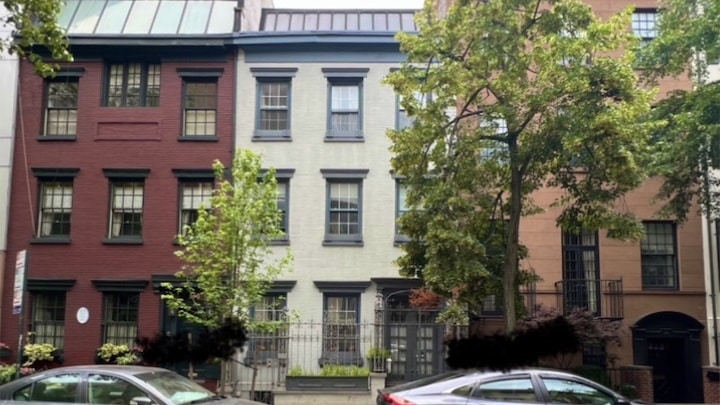
SoHo, New York
Offer – $116K
Settlement – $757K
Co-op Unit
Pipe Break

Midtown, New York
Initial Offer – Denied
Final Settlement – $225K
Condo Unit
Pipe Break
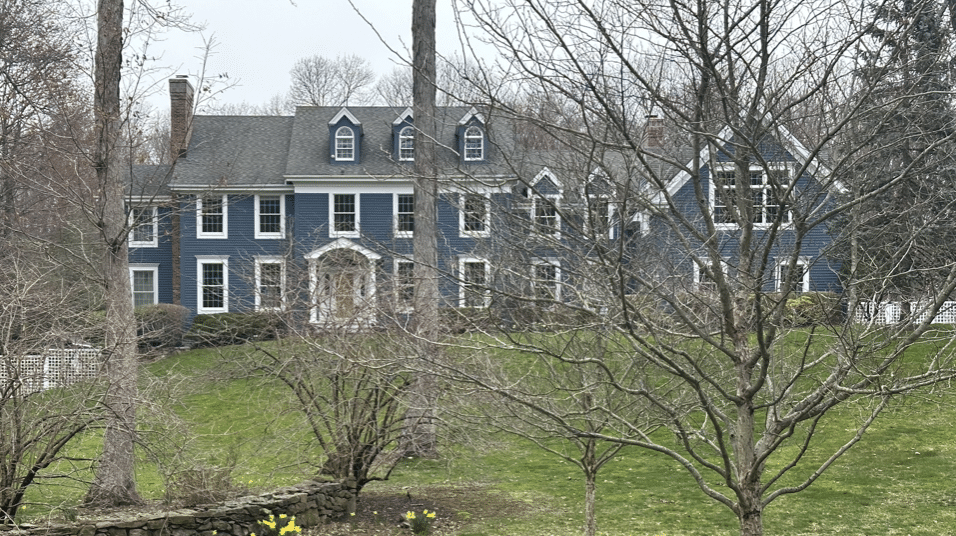
Pound Ridge, New York
Initial Offer – Denial Likely
Final Settlement – $1.6M
Private House
Freeze
What Our Clients Are Saying
“They know the ins and outs of what an insurance company owes to their insured and that knowledge was able to help us secure far more coverage than we would have been able to ourselves, which far exceeded the investment in working with them. Manhattan Public Adjusters should be your first call after any loss. TEN STARS!!”
-Hillary Sloan
Brooklyn, New York
“…Their expertise, combined with the skilled dedication of the entire team, transformed our insurance claim experience from overwhelming and frustrating to incredibly successful…”
-Chris Gunn
Washington Heights, New York, NY
“…Pipe broke in the crawl space and the whole end of the house needed to be gutted. Been in construction for seven months and this company has been with us every step of the way. Been getting steady reimbursements as the project progressed for all expenses. They showed up immediately and are handling everything smoothly. What a great experience from an awful experience, well worth it!”
-Tracy Gardell
Montauk, NY
Learn more about Water Damage Claims
A Guide to Plumbing Systems
A Guide to Plumbing Systems: Understanding the Water Sources in Your Property — and How They Fail After sustaining Water Damage to your home or
A Guide to the First 24 Hours After a Water Damage Loss
A Guide to the First 24-hours After a Water Damage Loss. After sustaining Water Damage or Flood Damage to your home or business, the decisions
A Guide to Water Backup vs. Water Overflow vs. Flood
A Guide to Water Backup vs. Water Overflow vs. Flood After sustaining Water Damage to your home or business, the decisions you make immediately following
A Guide to Water Damage Claims in Condo and Co‑Op Buildings
A Guide to Water Damage Claims in Condo and Co‑Op Buildings After sustaining Water Damage to your condo or co-op, the decisions you make immediately
Water Damage vs. Mold Damage
Water Damage vs. Mold Damage After sustaining Water Damage to your home or business, the decisions you make immediately following the event will have meaningful
3 Categories of Water Damage
3 Categories of Water Damage After sustaining Water Damage to your home or business, the decisions you make immediately following the event will have meaningful
Get Your Free Claim Review & Strategy Session With A Licensed Public Adjuster Now
On the roughly 45-minute call, we’ll review your damages, coverages, and claim goals, and create a personalized strategy to help you get paid the maximum settlement, expedite your recovery, and navigate the claims process successfully.
Click the button or call 212-540-4150 to schedule a FREE Claim Review & Strategy Session with a Public Adjuster now.