
3 Categories of Water Damage
After sustaining Water Damage to your home or business, the decisions you make immediately following the event will have meaningful effects on your life for the next 6 to 24 months. Therefore, it is critical for you to make the right decisions to avoid a second disaster once the excitement settles down.
Call us now at 212-295-5835 or click/tap the button to schedule a FREE Claim Review & Strategy Session with a Public Adjuster to get started.


When water enters a home or business, most people focus on the visible damage — the soaked carpet, the dripping ceiling, the warped hardwood, mechanical rooms, elevators, etc. But insurance companies and restoration professionals look at something far more important: the category of the water itself. This single classification determines how dangerous the water is, how the property must be restored, and whether the loss is covered under a policy.
Water isn’t just water in the world of property insurance. It’s a contaminant, a timeline, a health hazard, and a coverage trigger. And it falls into three distinct categories that shape the entire claim from start to finish.
Category 1: Clean Water
Category 1 water is the closest thing to “safe” water you’ll encounter during a loss. It comes from a sanitary source — a burst supply line, a failed fitting, an overflowing sink that hasn’t mixed with contaminants. When a pipe bursts behind a wall or a refrigerator line pops off, the water that escapes is typically Category 1.
Clean water losses are the most straightforward for both policyholders and insurers. Restoration teams can often dry affected materials in place, and adjusters generally view these events as sudden and accidental. But clean water has a short shelf life. Once it sits, spreads, or interacts with building materials, it begins to deteriorate. Within a day or two, clean water can transform into something far more problematic.
Category 2: Gray Water
Gray water occupies the middle ground. It’s not sewage, but it’s not safe. This category includes water that contains detergents, oils, food residue, or other contaminants — think washing machine discharge, dishwasher overflow, or water that started clean but has been sitting long enough to pick up microbial growth.
Gray water requires more aggressive cleaning and often partial demolition. Carpets may be removed, drywall may be cut, and disinfectants become part of the restoration process. Insurance carriers treat these losses differently depending on the source. A sudden dishwasher failure may be covered, but a slow leak under a kitchen sink that has been dripping for months likely won’t be.
Gray water is also a warning sign for adjusters. If the water appears more contaminated than the timeline suggests, the carrier may question whether the loss was reported promptly — a common trigger for a Reservation of Rights letter.
Category 3: Black Water
Black water is the worst‑case scenario. It’s grossly contaminated and poses serious health risks. Sewage backups, toilet overflows, floodwater from outside the structure, and any water that has been standing long enough to support heavy microbial growth all fall into this category.
When black water enters a property, the restoration process becomes a full‑scale remediation effort. Porous materials — drywall, insulation, carpet, padding, particleboard cabinetry — are removed entirely. Technicians wear full protective gear. The property may become temporarily uninhabitable.
Insurance coverage becomes more complicated here. Sewage backups often require a specific endorsement. Floodwater from outside is excluded under standard homeowners and commercial policies and requires separate flood insurance. Long‑term contamination is almost always denied. Category 3 water is where policy language matters most, and where documentation becomes critical.
Why Categories Matter So Much in Claims
To a property owner, water damage looks like a mess. To an insurance carrier, it looks like a timeline. The category of water tells the adjuster how long the water has been present, what it has touched, and whether the loss aligns with the policy’s definition of sudden and accidental damage.
A clean water loss suggests immediacy. Gray water suggests time has passed. Black water suggests either severe contamination or prolonged exposure. These distinctions influence everything: coverage, mitigation requirements, health risks, and ultimately the cost of the claim.
Categories also determine how restoration companies approach the job. Clean water may allow drying. Gray water demands cleaning and selective removal. Black water requires full containment and demolition. The category is the blueprint for the entire recovery process.
The Hidden Connection Between Water Categories and Claim Outcomes
Many insureds don’t realize how closely water categories tie into ROR letters and denials. When an adjuster sees gray or black water in an area where the policyholder claims the leak began “just yesterday,” the carrier may question the timeline. If microbial growth is present, the carrier may suspect long‑term seepage — a common exclusion. If the water is black and the source is a sump pump or sewer line, the adjuster will immediately check whether the proper endorsements exist.
In other words, the category of water becomes evidence. It tells a story about the loss, and the insurer uses that story to determine whether the policy applies.
A Property Owner’s Best Defense: Understanding the Category Early
The most empowered insureds are the ones who understand what they’re dealing with from the start. Knowing whether the water is clean, gray, or black helps you communicate clearly with your adjuster, respond effectively to an ROR, and avoid misunderstandings that lead to denials.
It also helps you protect your property. Clean water can be dried. Gray water needs disinfecting. Black water requires professional remediation. Acting appropriately in those first hours can prevent secondary damage and strengthen your claim.
Water losses are chaotic, stressful, and disruptive — but understanding the category of water gives you clarity in the middle of the chaos. It’s the foundation of every insurance decision that follows, and one of the most important pieces of knowledge a policyholder can have when navigating a water damage claim.
Need Help With A Water Damage Claim?
Call us now at 212-295-5835 or click/tap the button to schedule a FREE Claim Review & Strategy Session with a Public Adjuster to get started.
Examples of Water Damage Claims We've Settled
With our team approach, we have achieved results for our clients that other Public Adjusters could only dream of.

SoHo, New York
Offer – $116K
Settlement – $757K
Co-op Unit
Pipe Break

Midtown, New York
Initial Offer – Denied
Final Settlement – $225K
Condo Unit
Pipe Break
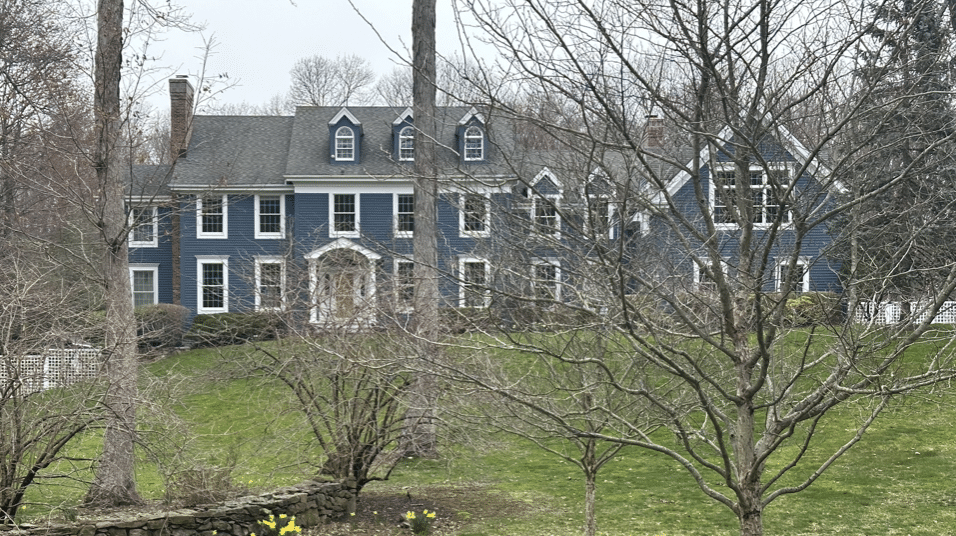
Pound Ridge, New York
Initial Offer – Denial Likely
Final Settlement – $1.6M
Private House
Freeze
What Our Clients Are Saying
“They know the ins and outs of what an insurance company owes to their insured and that knowledge was able to help us secure far more coverage than we would have been able to ourselves, which far exceeded the investment in working with them. Manhattan Public Adjusters should be your first call after any loss. TEN STARS!!”
-Hillary Sloan
Brooklyn, New York
“…Their expertise, combined with the skilled dedication of the entire team, transformed our insurance claim experience from overwhelming and frustrating to incredibly successful…”
-Chris Gunn
Washington Heights, New York, NY
“Incredible levels of service and honesty. They stay engaged after all payments have been made.”
-Eric Weisberg
Midtown, New York, NY
Learn more about Water Damage Claims
A Guide to Plumbing Systems
A Guide to Plumbing Systems: Understanding the Water Sources in Your Property — and How They Fail After sustaining Water Damage to your home or
A Guide to the First 24 Hours After a Water Damage Loss
A Guide to the First 24-hours After a Water Damage Loss. After sustaining Water Damage or Flood Damage to your home or business, the decisions
A Guide to Water Backup vs. Water Overflow vs. Flood
A Guide to Water Backup vs. Water Overflow vs. Flood After sustaining Water Damage to your home or business, the decisions you make immediately following
A Guide to Water Damage Claims in Condo and Co‑Op Buildings
A Guide to Water Damage Claims in Condo and Co‑Op Buildings After sustaining Water Damage to your condo or co-op, the decisions you make immediately
Get Your Free Claim Review & Strategy Session With A Licensed Public Adjuster Now
On the roughly 45-minute call, we’ll review your damages, coverages, and claim goals, and create a personalized strategy to help you get paid the maximum settlement, expedite your recovery, and navigate the claims process successfully.
Click the button or call 212-540-4150 to schedule a FREE Claim Review & Strategy Session with a Public Adjuster now.