
A Guide to Water Damage Claims in Condo and Co‑Op Buildings
After sustaining Water Damage to your condo or co-op, the decisions you make immediately following the event will have meaningful effects on your life for the next 6 to 24 months. Therefore, it is critical for you to make the right decisions to avoid a second disaster once the excitement settles down.
Call us now at 212-295-5835 or click/tap the button to schedule a FREE Claim Review & Strategy Session with a Public Adjuster to get started.


A Guide to Water Damage Claims in Condo and Co‑Op Buildings
Water damage is stressful in any home, but in a condo or co‑op building, it becomes something else entirely. Instead of dealing with a single structure and a single policy, you’re navigating shared walls, stacked units, common elements, building management, bylaws, master policies, HO‑6 policies, and multiple parties who may or may not be responsible. A simple leak in a condo can turn into a multi‑layered investigation involving the unit owner, the association, the building’s insurer, and sometimes even neighboring residents.
Understanding how water damage claims work in condo and co‑op buildings is essential for protecting your property, avoiding unnecessary disputes, and ensuring the right insurer pays for the right portion of the loss.
Why Water Damage Is More Complicated in Shared Buildings
In a single‑family home, the source of water is usually contained within the property. A burst pipe, failed appliance, or leaking roof belongs to one homeowner and one insurer. But in a condo or co‑op, water rarely respects boundaries. A leak on the 12th floor can affect units on the 11th, 10th, and 9th floors. A failed riser pipe can impact an entire line of apartments. A malfunctioning roof drain can affect multiple tiers of the building.
The moment water crosses into shared spaces or neighboring units, the question becomes: Whose responsibility is it? And the answer depends on the building’s governing documents, the master insurance policy, and the individual unit owner’s HO‑6 policy.
Master Policies vs. HO‑6 Policies: Who Covers What
Every condo or co‑op building carries a master insurance policy. This policy covers the building’s structure, common elements, mechanical systems, and any components defined as “building property” under the bylaws. Unit owners carry HO‑6 policies, which cover their personal property, improvements, betterments, and portions of the interior depending on how the bylaws define ownership.
Some buildings insure “walls‑in,” meaning the master policy covers drywall, plumbing, and electrical up to the interior paint. Others insure only the “shell,” leaving unit owners responsible for everything inside the studs. Co‑ops often follow similar rules, but the proprietary lease may shift certain responsibilities to the shareholder.
When water damage occurs, the adjuster’s first question is not “What happened?” but “Who owns the part that was damaged?” That single distinction determines which insurer responds.
Common Sources of Water Damage in Condo and Co‑Op Buildings
Water losses in shared buildings often originate from systems that serve multiple units. Vertical risers, HVAC condensate lines, roof drains, fire suppression systems, and shared plumbing stacks are frequent culprits. When these fail, the damage typically falls under the master policy because the affected components are part of the building’s infrastructure.
But water losses also originate inside individual units. A failed toilet supply line, a leaking dishwasher, or an overflowing tub may damage the unit itself and the unit below. In these cases, the unit owner’s HO‑6 policy may respond to their own interior damage, while the master policy may address structural components. If negligence is involved — for example, a resident ignored a known leak — liability may shift.
This is where condo and co‑op claims become complex: multiple insurers may be involved, each covering different parts of the same event.
The Role of the Building Management and Board
In shared buildings, management plays a critical role in water damage claims. They coordinate access, document the source, communicate with affected residents, and notify the master insurer. They also determine whether the loss originated from a common element or a unit owner’s responsibility.
Boards often rely on plumbers, building engineers, or mitigation companies to identify the source. Their findings influence coverage decisions. If the source is a common pipe, the master policy typically responds. If the source is inside a unit, the HO‑6 policy may take the lead.
Clear communication with management is essential. Delays in reporting or uncertainty about the source can complicate coverage and lead to disputes between insurers.
Subrogation: When Insurers Seek Reimbursement
One unique aspect of condo and co‑op claims is subrogation. If the master insurer pays for damage caused by a unit owner’s negligence — say, a resident failed to replace a deteriorated washing machine hose — the master insurer may pursue reimbursement from the unit owner’s HO‑6 carrier.
Subrogation doesn’t affect the homeowner directly in most cases, but it does influence how insurers negotiate responsibility behind the scenes. It’s one reason adjusters are meticulous about determining cause and fault in shared‑building claims.
Mold, Timelines, and Secondary Damage
Because water travels through multiple units, delays in discovery are common. A leak may begin in one apartment but only become visible in another days later. Mold can develop in concealed spaces, complicating the timeline and raising questions about whether the loss was sudden or gradual.
Insurance carriers scrutinize mold carefully in condo and co‑op claims. Mold often indicates prolonged moisture exposure, which can trigger exclusions or Reservation of Rights letters. Documenting when water first appeared — and how quickly mitigation began — is essential for protecting coverage.
Why Documentation Matters More in Shared Buildings
In a condo or co‑op, documentation is everything. Multiple insurers, multiple parties, and multiple adjusters may be involved. Clear photos, videos, plumber reports, moisture readings, and communication logs help establish the timeline and prevent misunderstandings.
The more complex the building, the more important the documentation becomes. It protects the homeowner, clarifies responsibility, and strengthens the claim.
The Bottom Line: Water Damage in Shared Buildings Requires Coordination
Water damage in a condo or co‑op is never just a property issue — it’s a coordination issue. It involves the unit owner, the building management, the board, the master insurer, the HO‑6 insurer, and sometimes neighboring residents. Understanding how these pieces fit together helps homeowners navigate claims confidently and ensures the right insurer responds to the right portion of the loss.
Water moves fast, but claims move slowly. The more you understand the structure of coverage in shared buildings, the better prepared you are when a water loss occurs.
Need Help With A Water Damage Claim?
Call us now at 212-295-5835 or click/tap the button to schedule a FREE Claim Review & Strategy Session with a Public Adjuster to get started.
Examples of Water Damage Claims We've Settled
With our team approach, we have achieved results for our clients that other Public Adjusters could only dream of.

SoHo, New York
Offer – $116K
Settlement – $757K
Co-op Unit
Pipe Break

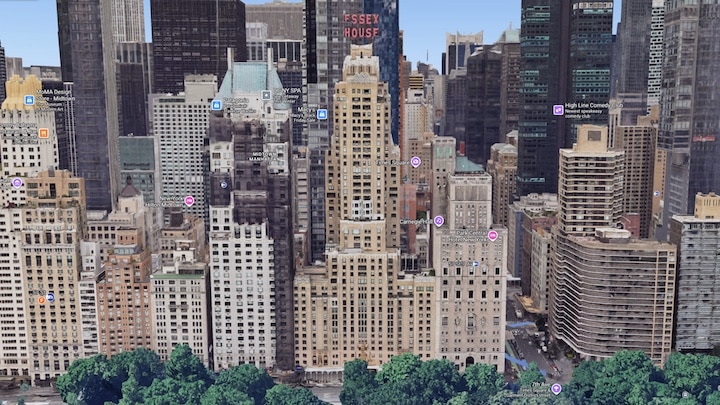
Midtown, New York
Initial Offer – Denied
Final Settlement – $225K
Condo Unit
Pipe Break
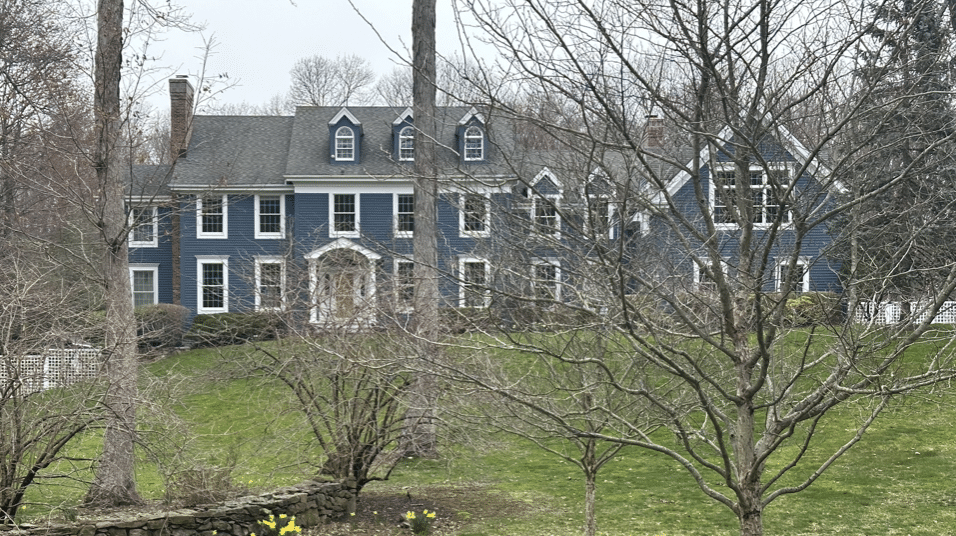
Pound Ridge, New York
Initial Offer – Denial Likely
Final Settlement – $1.6M
Private House
Freeze
What Our Clients Are Saying
“They know the ins and outs of what an insurance company owes to their insured and that knowledge was able to help us secure far more coverage than we would have been able to ourselves, which far exceeded the investment in working with them. Manhattan Public Adjusters should be your first call after any loss. TEN STARS!!”
-Hillary Sloan
Brooklyn, New York
“…Their expertise, combined with the skilled dedication of the entire team, transformed our insurance claim experience from overwhelming and frustrating to incredibly successful…”
-Chris Gunn
Washington Heights, New York, NY
“Incredible levels of service and honesty. They stay engaged after all payments have been made.”
-Eric Weisberg
Midtown, New York, NY
Learn more about Water Damage Claims
A Guide to Plumbing Systems
A Guide to Plumbing Systems: Understanding the Water Sources in Your Property — and How They Fail After sustaining Water Damage to your home or
A Guide to the First 24 Hours After a Water Damage Loss
A Guide to the First 24-hours After a Water Damage Loss. After sustaining Water Damage or Flood Damage to your home or business, the decisions
A Guide to Water Backup vs. Water Overflow vs. Flood
A Guide to Water Backup vs. Water Overflow vs. Flood After sustaining Water Damage to your home or business, the decisions you make immediately following
A Guide to Water Damage Claims in Condo and Co‑Op Buildings
A Guide to Water Damage Claims in Condo and Co‑Op Buildings After sustaining Water Damage to your condo or co-op, the decisions you make immediately
Water Damage vs. Mold Damage
Water Damage vs. Mold Damage After sustaining Water Damage to your home or business, the decisions you make immediately following the event will have meaningful
3 Categories of Water Damage
3 Categories of Water Damage After sustaining Water Damage to your home or business, the decisions you make immediately following the event will have meaningful
Get Your Free Claim Review & Strategy Session With A Licensed Public Adjuster Now
On the roughly 45-minute call, we’ll review your damages, coverages, and claim goals, and create a personalized strategy to help you get paid the maximum settlement, expedite your recovery, and navigate the claims process successfully.
Click the button or call 212-540-4150 to schedule a FREE Claim Review & Strategy Session with a Public Adjuster now.