
A Guide to Plumbing Systems: Understanding the Water Sources in Your Property — and How They Fail
After sustaining Water Damage to your home or business, the decisions you make immediately following the event will have meaningful effects on your life for the next 6 to 24 months. Therefore, it is critical for you to make the right decisions to avoid a second disaster once the excitement settles down.
Call us now at 212-295-5835 or click/tap the button to schedule a FREE Claim Review & Strategy Session with a Public Adjuster to get started.


A Guide to Plumbing Systems: Understanding the Water Sources in Your Property — and How They Fail
Water is the quiet workhorse of every building. It moves, circulates, heats, cools, drains, and disposes — all behind the walls and beneath the floors. Because of the sheer number of systems that rely on water, a water‑entry event is not a matter of if, but when. Understanding where water comes from, how it moves, and where systems are most vulnerable is essential for homeowners, property managers, and insureds navigating maintenance or a potential claim.
This guide breaks down the major plumbing systems in a structure and explains how each can cause or contribute to water loss.
The Many Pathways of Water in a Structure
Water enters a building from the municipal water main and travels through interior supply lines to fixtures, appliances, and mechanical systems. After use, it exits through drains, p‑traps, and ejector pumps, ultimately entering the city sewer system. But freshwater supply and wastewater removal are only part of the story.
Many buildings also rely on water for:
- Hydronic heating systems (baseboard or radiator heat)
- Heated bathroom floors (electric or water‑based)
- Sump pump systems (to manage groundwater near the foundation)
- Water heaters (tank or tankless)
- Appliances (dishwashers, refrigerators, washing machines)
Each of these systems introduces additional water lines, valves, fittings, and mechanical components — and each represents a potential failure point.
Freshwater Supply Systems
A Brief History of Water Delivery
Water supply systems date back thousands of years. The Minoans (c. 2200–1400 BCE) engineered early water lines. Egyptians used clay and copper pipes. The Romans expanded freshwater access on a massive scale, enabling urban growth and public sanitation.
Modern plumbing took shape in the late 1800s, when mass‑produced piping allowed widespread distribution of clean water into buildings. While materials have evolved, the core concept remains unchanged: deliver potable water safely and reliably.
Copper vs. PEX: The Modern Standards
Today, most freshwater supply lines are made from copper or PEX (cross‑linked polyethylene).
Copper Plumbing
Copper replaced lead and galvanized steel as the industry standard due to its durability and resistance to corrosion. However:
- It is rigid and labor‑intensive to install.
- Material costs are significantly higher.
- Soldered joints introduce potential failure points.
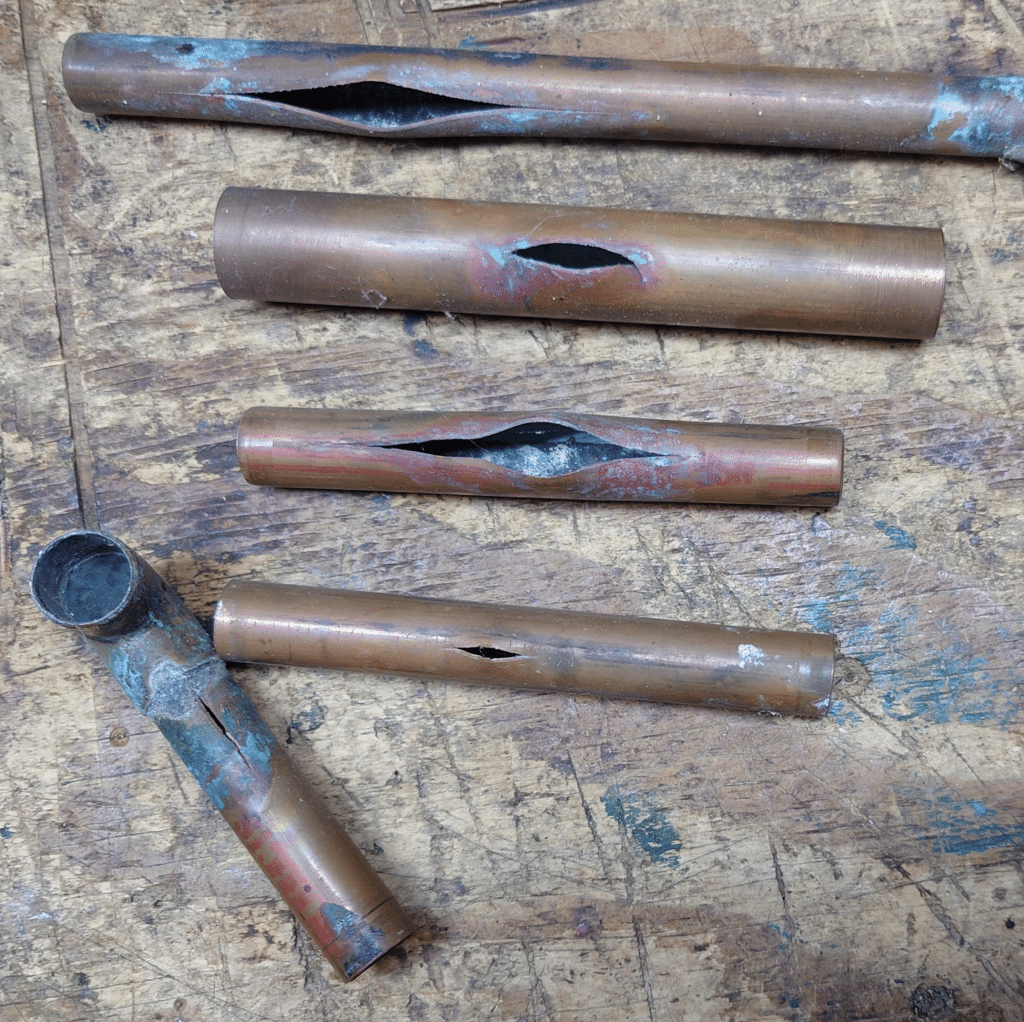
- Pin‑hole leaks can develop from oxidation or water chemistry.
PEX Plumbing
PEX has become the dominant material in new construction — used in roughly 60% of modern builds.
Advantages include:
- Flexibility (fewer fittings required)
- Faster installation
- Lower cost ($0.50–$2.00 per linear foot vs. copper’s $2.00–$12.00)
- Resistance to scale and corrosion
However, PEX systems still rely on fittings, crimp rings, and manifolds, all of which can fail under pressure, age, or improper installation.
Cold Weather Risks
Both copper and PEX are vulnerable during sub‑zero temperatures:
- Water expands as it freezes.
- Pressure builds at the weakest point.
- Fittings, elbows, or valves can burst or dislodge.
- Even a small crack can release hundreds of gallons of water.
Annual visual inspections of exposed lines — especially in basements, crawlspaces, and mechanical rooms — are one of the simplest ways to prevent catastrophic water damage.
Fixture Connections: Small Parts, Big Losses
Freshwater lines branch throughout a structure to supply toilets, faucets, dishwashers, and other fixtures. The final connection to these fixtures is typically made using braided supply lines.
Why Braided Connectors Fail
These lines are threaded at both ends and attach to:
- The angle stop valve
- The fixture (toilet fill valve, faucet tailpiece, dishwasher inlet)
Common failure points include:
- Over‑tightening, especially on plastic toilet connectors
- Aging rubber washers
- Corrosion at the metal crimps
- Manufacturing defects
- Stress from vibration or movement
Toilet supply lines are particularly notorious because many models use a plastic connector at the toilet end, which can crack under excessive torque.
Best practice: tighten by hand, then give a slight additional turn — never wrench down aggressively.
Hydronic Heating, Radiant Floors & Sump Systems
Hydronic Heating Systems
Baseboard and radiator systems circulate heated freshwater through pipes using a pump. These systems include:
- A boiler
- Circulator pumps
- Expansion tanks
- Backflow preventers
- Zone valves
Failures can occur at:
- Pump seals
- Corroded fittings
- Air bleeder valves
- Boiler components
A leak in a hydronic system can release large volumes of water, especially if the boiler continues feeding the loop.
Radiant Heated Floors
Radiant floors come in two types:
- Electric (no water risk)
- Hydronic (water‑based)
Hydronic radiant floors use embedded tubing. A puncture, failed manifold, or pump issue can cause hidden water damage beneath tile or hardwood.
Sump Pump Systems
Buildings with high water tables rely on sump pumps to prevent groundwater intrusion. Failures occur when:
- The pump burns out
- The float switch sticks
- The discharge line freezes or clogs
- Power outages disable the system
A failed sump pump can allow groundwater to rise into the basement, often resulting in widespread damage.
Water Heaters: A Leading Cause of Residential Water Loss
Water heaters are one of the most common sources of sudden and accidental water discharge in buildings. Whether tank‑style or tankless, each system introduces unique risks.
Tank Water Heaters
Traditional tank heaters store 30–80 gallons of heated water. When they fail, they fail big.
Common failure points include:
- Tank corrosion leading to ruptures
- Failed temperature & pressure (T&P) relief valves
- Leaking drain valves
- Supply line failures
- Sediment buildup causing overheating and cracking
Most tanks have a lifespan of 8–12 years. After that, the risk of catastrophic failure increases dramatically.
A ruptured tank can release hundreds of gallons of water in minutes — often affecting multiple rooms, floors, and mechanical systems.
Tankless Water Heaters
Tankless systems reduce the risk of large‑volume discharge, but they are not immune to water loss.
Potential failure points include:
- Internal heat exchanger leaks
- Failed gaskets or seals
- Corrosion at fittings
- Improper venting causing condensation issues
Tankless units also require annual descaling in areas with hard water. Neglecting this maintenance can lead to overheating and internal component failure.
Washing Machines
Washing machine hoses are one of the top five causes of residential water losses.
Risks include:
- Burst rubber supply hoses
- Loose or cross‑threaded connections
- Internal pump failures
- Drain line dislodgement
Braided stainless‑steel hoses reduce risk but still require periodic inspection.
Dishwashers
Dishwashers can leak from:
- The supply line
- The drain hose
- The pump housing
- The door gasket
- Internal seals
Because dishwashers are built into cabinetry, leaks often go unnoticed until flooring begins to cup or mold appears.
Refrigerators with Ice Makers
Refrigerators with water dispensers or ice makers use a small, flexible supply line — often plastic.
Common failure points:
- Cracked plastic tubing
- Loose compression fittings
- Kinked lines
- Valve failures
A slow leak behind a refrigerator can damage subflooring, drywall, and adjacent cabinetry.
HVAC Systems
Air conditioning systems produce condensation. When the condensate drain line clogs, water overflows the drain pan.
This is especially damaging in:
- Attic installations
- Closet mechanical rooms
- Multi‑story homes
A clogged condensate line can release gallons of water before anyone notices.
Other Water Sources That Commonly Fail
Beyond the obvious systems, several lesser‑known components can also cause water damage.
Humidifiers (Whole‑Home)
Connected directly to the HVAC system, whole‑home humidifiers can leak due to:
- Clogged pads
- Failed solenoid valves
- Cracked housings
Because they are often located in mechanical rooms or attics, leaks can go unnoticed for extended periods.
Fire Suppression Sprinklers
Residential sprinkler systems are rare but growing in popularity. Failures can occur from:
- Accidental activation
- Corrosion in pipes
- Freezing in unconditioned spaces
A single sprinkler head can discharge 20–40 gallons per minute.
Outdoor Spigots & Irrigation Systems
Exterior water sources can cause interior damage when:
- Hose bibs freeze and burst
- Irrigation lines crack
- Backflow preventers fail
Frozen hose bibs are a leading cause of springtime water losses.
Drainage Systems: Where Wastewater Can Turn Into Water Damage
Drain systems are designed to remove water — but when they fail, they often do so silently and behind walls.
P‑Traps and Drain Lines
Every sink, tub, and shower uses a p‑trap to prevent sewer gases from entering the building. These traps and the drain lines connected to them can fail due to:
- Corrosion (in older metal traps)
- Cracked PVC
- Loose slip‑joint connections
- Blockages causing water overflow
- Vibration from garbage disposals
A slow leak under a sink can go unnoticed for weeks, leading to mold, rot, and cabinet damage.
Ejector Pumps
Buildings with basement bathrooms or laundry rooms often rely on sewage ejector pumps to lift wastewater to the main sewer line.
Failures occur when:
- The pump burns out
- The float switch fails
- The basin cracks
- The discharge line clogs
- The check valve fails, causing backflow
An ejector pump failure can result in sewage backup, which is both hazardous and costly to remediate.
Main Sewer Line Issues
Tree roots, collapsed pipes, grease buildup, and foreign objects can obstruct the main sewer line. When this happens, wastewater has nowhere to go — except back into the building.
Signs include:
- Gurgling drains
- Slow drainage throughout the property
- Sewage odors
- Overflows in tubs or floor drains
These events often require immediate mitigation and professional plumbing intervention.
Appliances: Hidden Risks in Everyday Convenience
Modern buildings rely on multiple appliances that use or move water. Each one introduces its own set of vulnerabilities.
The Big Picture: Why Understanding Water Sources Matters
Every water‑bearing system in a building — from the smallest supply line to the largest mechanical component — represents a potential failure point. When a loss occurs, identifying the source quickly is essential for:
- Mitigation
- Documentation
- Insurance coverage analysis
- Preventing secondary damage
- Ensuring proper repairs
A well‑informed property owner is better equipped to maintain their systems, recognize early warning signs, and respond effectively when water intrusion occurs.
Need Help With A Water Damage Claim?
Call us now at 212-295-5835 or click/tap the button to schedule a FREE Claim Review & Strategy Session with a Public Adjuster to get started.
Examples of Water Damage Claims We've Settled
With our team approach, we have achieved results for our clients that other Public Adjusters could only dream of.

SoHo, New York
Offer – $116K
Settlement – $757K
Co-op Unit
Pipe Break

Midtown, New York
Initial Offer – Denied
Final Settlement – $225K
Condo Unit
Pipe Break
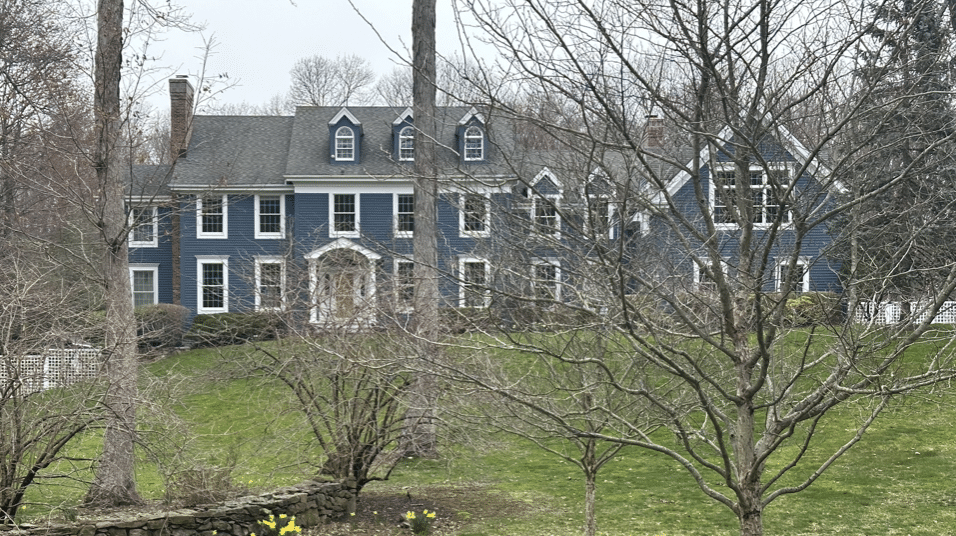
Pound Ridge, New York
Initial Offer – Denial Likely
Final Settlement – $1.6M
Private House
Freeze
What Our Clients Are Saying
“I worked with Jennifer K on a very complicated matter–significant water damage throughout an entire historic townhouse–that I came into midway through the process. It was like finding a port in the storm when I took over the work to meet Jennifer… I truly don’t know how I could have gotten all of this done without her, and as difficult as this work was, it was always a pleasure to speak with her. I recommend Jennifer and Manhattan Public Adjustment very very highly.”
-Terence Dougherty
Gramercy Park, New York, NY
“…We had an outstanding experience with Manhattan Public Adjustment. Their team’s professionalism and experience stood out throughout the entire insurance process. Clear communication, attention to detail, and impressive results make them our top recommendation for anyone navigating insurance complexities….”
-Maya Stepniarek
SoHo, New York, NY
“…Pipe broke in the crawl space and the whole end of the house needed to be gutted. Been in construction for seven months and this company has been with us every step of the way. Been getting steady reimbursements as the project progressed for all expenses. They showed up immediately and are handling everything smoothly. What a great experience from an awful experience, well worth it!”
-Tracy Gardell
Montauk, NY
Learn more about Water Damage Claims
A Guide to Plumbing Systems
A Guide to Plumbing Systems: Understanding the Water Sources in Your Property — and How They Fail After sustaining Water Damage to your home or
A Guide to the First 24 Hours After a Water Damage Loss
A Guide to the First 24-hours After a Water Damage Loss. After sustaining Water Damage or Flood Damage to your home or business, the decisions
A Guide to Water Backup vs. Water Overflow vs. Flood
A Guide to Water Backup vs. Water Overflow vs. Flood After sustaining Water Damage to your home or business, the decisions you make immediately following
A Guide to Water Damage Claims in Condo and Co‑Op Buildings
A Guide to Water Damage Claims in Condo and Co‑Op Buildings After sustaining Water Damage to your condo or co-op, the decisions you make immediately
Water Damage vs. Mold Damage
Water Damage vs. Mold Damage After sustaining Water Damage to your home or business, the decisions you make immediately following the event will have meaningful
3 Categories of Water Damage
3 Categories of Water Damage After sustaining Water Damage to your home or business, the decisions you make immediately following the event will have meaningful
Get Your Free Claim Review & Strategy Session With A Licensed Public Adjuster Now
On the roughly 45-minute call, we’ll review your damages, coverages, and claim goals, and create a personalized strategy to help you get paid the maximum settlement, expedite your recovery, and navigate the claims process successfully.
Click the button or call 212-540-4150 to schedule a FREE Claim Review & Strategy Session with a Public Adjuster now.